
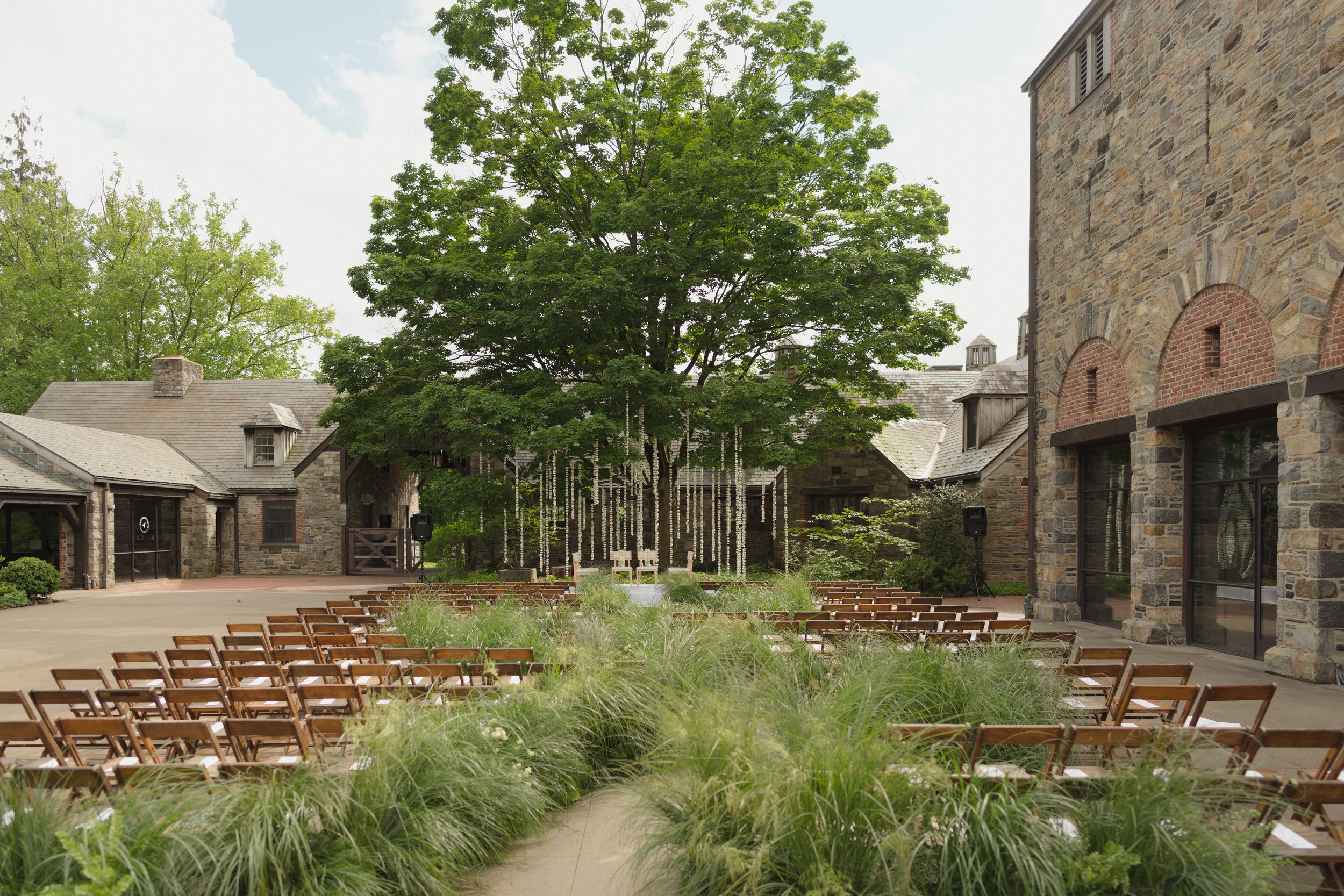
Your Vision is Everything
In more than 10 years of bringing wedding visions to life, one truth stands out above all others: the couples most blown away on their wedding day are the ones who truly knew their vision.
Not just “had ideas” or “collected inspiration”—but deeply understood what they wanted and why. And often, that clarity came from working together to uncover it.
When you know your vision, the result feels unmistakably yours. And that connection is everything.
The Problem We Don’t Talk About
In a world of endless inspiration, it’s harder than ever to know what you actually like.
We’re constantly told what to want: Instagram, Pinterest, wedding blogs, targeted ads. We see something beautiful and think “I want that”—but is it truly resonating with us, or are we just being influenced?
Most couples start planning with a folder full of saved images, but when it comes time to work with a designer, they struggle to articulate why they chose them or what connects them—especially when those images are pulling in different directions. The issue isn’t lack of inspiration—it’s knowing which inspiration is actually yours.
And here’s what makes this even more challenging: for many, this is the first time designing something so significant, so public, so deeply personal. You might have decorated a room or curated a look, but a wedding is different. It’s bigger. It’s shared. It asks you to define and communicate a vision in ways you may never have done before.
Some people know their aesthetic instinctively. But many don’t—and that’s completely okay. It doesn’t mean you lack taste or creativity. It just means you haven’t had the opportunity to develop this particular awareness yet. Or perhaps you just haven’t found the language to describe it.
The good news? Vision can be discovered, clarified, and refined. It just takes intention.
What a Vision Actually Is
Your vision isn’t a mood board or a collection of pretty images. It’s not a list of specific flowers or colors or styles.
Your vision is understanding the why behind what you’re drawn to.
It’s knowing what matters most to you—not what’s trending, not what looks good in photos, but what genuinely resonates. It’s the feeling you want to create. The experience you want guests to have. What you want your celebration to say about you and your love story. The way you want to feel when you walk into the space.
Ask yourself:
When you look at an image you’ve saved, what specifically moves you? The mood? The texture? The way light plays through it? The sense of calm or abundance or drama it creates?
Do you love that color palette because it appears everywhere in your life—in your home, your wardrobe, the places you’re drawn to? Or because you saw it in a celebrity wedding last month?
Are you drawn to maximalist, colorful arrangements because they genuinely excite you—or because they’re trending heavily right now?
Your vision is personal, specific, and rooted in who you are. It’s not borrowed. It’s yours.
Why This Matters So Much
When your vision is clear and true to you, everything else falls into place.
Your designer can bring it to life in ways that feel authentically yours. And here’s where clarity becomes even more powerful: when you understand your own vision, you can collaborate meaningfully.
Instead of saying “I like this” or “I don’t like that,” you can give specific, useful feedback. You can say, “I love the softness here, but the color feels too cool for what I’m envisioning,” or “This arrangement has the right mood, but I’d want more texture and movement.” That specificity allows your designer to refine and adjust—tweaking what’s almost there rather than starting from scratch when the foundation is right but one element feels off.
And here’s what gets lost in all the planning noise: this part is genuinely fun. Couples tell me often that planning their florals is one of the most enjoyable parts of the entire wedding process. Going deep on what you love—your colors, your instincts, the way a space makes you feel—and then watching a designer bring it to life? That’s the part people remember.
Once you’ve communicated your vision clearly, you get to step back and let your designer interpret it. You chose them for a reason—their expertise, their aesthetic, their creative voice. When you give them space to bring their artistry to the collaboration, that’s where you get to experience what they do best. Often, it’s in those moments that the most beautiful surprises emerge.
You’ll make decisions with confidence instead of second-guessing yourself. Once you’ve established your vision, you won’t be swayed by the latest trend or what someone else is doing. You’ll have a clear filter: does this align with my vision, or doesn’t it?
And most importantly, on your wedding day, you’ll feel deeply connected to the design because it came from you. The florals don’t just look beautiful—they feel like yours. When someone says “that’s so you,” it’s because it genuinely is. That sense of ownership and connection is what creates those “blown away” moments. It’s the difference between liking your wedding florals and feeling moved by them.
How to Get There
Defining your vision requires stepping back from the noise.
Start by looking at your own life. Your home. Your wardrobe. The restaurants you return to. The experiences that move you. What colors show up again and again? What textures are you drawn to? When you feel most like yourself, what does that look or feel like?
Then ask yourself why you’re drawn to certain things—not just what you’re drawn to. This is the deeper work, and it’s where clarity starts to emerge.
Give yourself permission to ignore what’s popular if it doesn’t resonate. You don’t owe anyone an explanation for your taste. If everyone is doing one thing and you’re drawn to something else, trust that.
And trust what feels right to you, even if you can’t fully articulate why yet. Sometimes the instinct comes first, and the language follows.
Where to Begin
This doesn’t have to feel overwhelming—and it shouldn’t. The work of getting clear on your vision is some of the most rewarding you’ll do in the planning process. Some people need guidance. Some need time. Some need permission to explore without judgment. All of that is valid.
The checklist below is a starting point. Use what resonates, skip what doesn’t, and bring whatever you uncover into conversations with your designer. That’s all you need to begin.
Want to go even deeper?
I'm building something for anyone who wants to explore their design instincts more fully — developing your creative eye and an awareness of beauty that extends far beyond a wedding design. Sign up to be among the first to know when it's ready.
Vision Checklist
Use this framework to help you start defining your vision. You don’t need all of these—just the ones that matter most to you. These are starting points for conversations with your designer, and ways to begin articulating what resonates with you.
MOOD & ATMOSPHERE
The emotional tone you want to create: romantic, minimal, exuberant, moody, ethereal, joyful, intimate, dramatic.
NARRATIVE OR SYMBOLISM
Personal meaning, cultural significance, or storytelling elements that matter to you. What do you want your celebration to say about you and your love story?
SEASONALITY & PLACE
Connection to time of year, local landscape, or the specific geography of your venue. Does the season or location hold meaning for you?
VISUAL INSPIRATIONS
Art, fashion, interiors, travel destinations that resonate with you. What visual references keep appearing in your life?
COLOR STORY
Palette direction, including undertones and saturation preferences (muted vs. vibrant, warm vs. cool, monochromatic vs. varied).
FORMALITY LEVEL
Refined and tailored vs. loose and natural. Structured vs. relaxed. What feels most like you?
SCALE & PROPORTION
Intimate and delicate vs. grand and bold. Vertical vs. sprawling. What scale feels right for your space and celebration?
TEXTURAL PREFERENCE
Smooth, structured, wild, soft, polished, architectural, organic. What textures do you find yourself drawn to?
MOVEMENT & LINE
Static and contained vs. flowing and gestural. Do you want arrangements that feel calm and grounded, or dynamic and expressive?
DENSITY & NEGATIVE SPACE
Full and lush vs. airy and sculptural. Do you love abundance, or do you appreciate breathing room?
FOCAL POINTS & HIERARCHY
Where do you want attention drawn vs. where should things recede? What moments or spaces are most important?
SUSTAINABILITY VALUES
Local sourcing, seasonality, ethical practices that align with your values. Does this matter to you, and if so, how?
Remember: This is a starting point, not a test. Some of these will immediately resonate. Others won’t matter to you at all—and that’s useful information too. The goal is to begin identifying what’s truly important to you, so you can communicate it clearly and confidently.